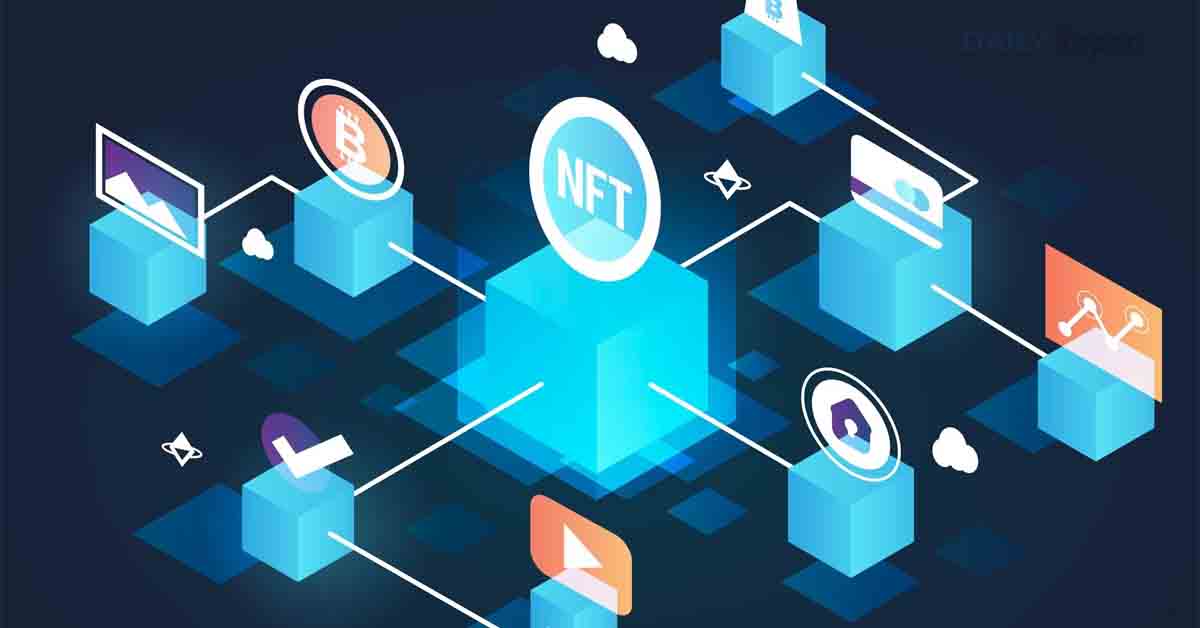
Exploring the Rise of Blockchain Technology: Transforming Industries 2023
Introduction
Blockchain technology has emerged as a transformative force in various industries, revolutionizing the way we exchange value, store data, and establish trust in the digital world. Initially known as the underlying technology behind cryptocurrencies like Bitcoin, blockchain has evolved beyond its initial application and is now being adopted across multiple sectors, ranging from finance and supply chain management to healthcare and governance. This article delves into the rise of blockchain technology, exploring its core principles, benefits, and the impact it has had on different industries. By examining real-world use cases and discussing the challenges and future potential, we aim to provide a comprehensive overview of the transformative power of blockchain technology.
I. Understanding Blockchain Technology
A. Definition and Core Principles: Define blockchain and explain its core principles, including decentralization, transparency, immutability, and consensus mechanisms.
B. How Blockchain Works: Describe the basic components of a blockchain, such as blocks, transactions, and the role of miners or validators in securing the network.
C. Types of Blockchains: Differentiate between public, private, and consortium blockchains, highlighting their unique characteristics and use cases.
D. Smart Contracts: Introduce the concept of smart contracts, self-executing agreements stored on the blockchain, and their role in automating business processes.
II. Blockchain in Finance and Banking
A. Disrupting Traditional Banking: Explore how blockchain technology is challenging traditional banking models by enabling faster, more secure, and cost-effective transactions.
B. Cross-Border Payments: Discuss the potential of blockchain in facilitating seamless cross-border transactions, reducing intermediaries, and improving transaction speed and cost-efficiency.
C. Asset Tokenization: Examine how blockchain enables fractional ownership and liquidity of assets, such as real estate or artwork, through tokenization.
D. Decentralized Finance (DeFi): Highlight the growth of DeFi applications built on blockchain, including decentralized lending, borrowing, and yield farming, and the benefits they offer to users.
III. Blockchain in Supply Chain Management
A. Enhancing Transparency and Traceability: Discuss how blockchain enables end-to-end visibility and traceability of goods in supply chains, reducing fraud, counterfeiting, and improving product authenticity.
B. Supply Chain Optimization: Explore how blockchain-based solutions streamline supply chain processes, enhance efficiency, and reduce administrative costs through automation and data sharing.
C. Sustainable and Ethical Supply Chains: Illustrate how blockchain can help ensure ethical sourcing and sustainability by providing immutable records of certifications, origin, and production processes.
D. Supply Chain Financing: Explain how blockchain-based platforms facilitate supply chain financing by connecting buyers, suppliers, and financial institutions, improving access to capital for businesses.
IV. Blockchain in Healthcare
A. Secure Data Sharing: Discuss the potential of blockchain in securely sharing patient health records, improving interoperability among healthcare providers, and protecting sensitive data.
B. Clinical Trials and Research: Explore how blockchain can enhance the integrity, transparency, and efficiency of clinical trials and medical research by ensuring immutability and auditability of data.
C. Drug Traceability and Authentication: Highlight how blockchain-based systems enable the verification of drug authenticity, reducing the circulation of counterfeit medications and improving patient safety.
D. Telemedicine and Patient Identity: Discuss how blockchain can facilitate secure patient identification and enable seamless and secure telemedicine services, ensuring privacy and reducing fraud.
V. Blockchain in Government and Governance
A. Transparent and Secure Voting Systems: Discuss how blockchain can enhance the transparency, security, and integrity of voting systems, reducing fraud and ensuring accurate and verifiable election results.
B. Identity Management: Explore how blockchain can enable decentralized and self-sovereign identity systems, giving individuals control over their personal data and reducing the risk of identity theft.
C. Public Service Delivery: Highlight the potential of blockchain in improving the efficiency, accountability, and transparency of public service delivery by eliminating intermediaries and enhancing trust.
D. Land Registry and Property Rights: Discuss how blockchain-based land registries can streamline property transactions, reduce fraud, and ensure secure and immutable records of ownership.
VI. Blockchain in Energy
A. Peer-to-Peer Energy Trading: Explore how blockchain facilitates peer-to-peer energy trading, enabling individuals and businesses to directly exchange energy, reducing costs and promoting renewable energy adoption.
B. Grid Management and Optimization: Discuss how blockchain can improve grid management and optimize energy distribution by enabling real-time data sharing, automated transactions, and balancing supply and demand.
C. Energy Supply Chain: Highlight the potential of blockchain in tracking the origin and certification of renewable energy sources, ensuring transparency and promoting sustainable practices.
D. Microgrids and Energy Communities: Explain how blockchain-based systems can empower communities to create decentralized energy systems, enabling local energy production, consumption, and sharing.
VII. Challenges and Future Potential
A. Scalability and Performance: Discuss the scalability issues faced by blockchain technology and the ongoing efforts to address them, such as layer 2 solutions and sharding.
B. Regulatory and Legal Considerations: Explore the regulatory challenges surrounding blockchain adoption, including data privacy, smart contract enforceability, and cross-border transactions.
C. Interoperability: Highlight the importance of interoperability between different blockchain networks and protocols to enable seamless data sharing and communication across systems.
D. Future Potential: Discuss the emerging trends and potential future applications of blockchain technology, such as decentralized autonomous organizations (DAOs), non-fungible tokens (NFTs), and the integration of blockchain with emerging technologies like artificial intelligence and the Internet of Things.
VIII. Blockchain in Real Estate
A. Property Transactions: Discuss how blockchain can streamline property transactions by automating processes, reducing paperwork, and ensuring transparency in ownership records.
B. Tokenization of Real Estate: Explore how blockchain enables fractional ownership and investment in real estate through tokenization, providing liquidity and accessibility to a wider range of investors.
C. Smart Contracts in Property Management: Highlight the use of smart contracts in automating rental agreements, lease payments, and property management tasks, improving efficiency and reducing disputes.
D. Title and Ownership Verification: Explain how blockchain can provide a secure and immutable record of property titles and ownership, reducing fraud and facilitating smooth property transfers.
IX. Blockchain in Education
A. Credential Verification: Discuss how blockchain can revolutionize the verification of educational credentials, ensuring the authenticity and integrity of degrees, certificates, and skills.
B. Learning Records and Portfolios: Explore the use of blockchain in creating lifelong learner records and digital portfolios, enabling individuals to showcase their achievements and skills.
C. Microcredentialing and Badging: Highlight the potential of blockchain-based microcredentialing and badging systems, allowing individuals to acquire and display specific skills and achievements.
D. Secure Collaboration and Copyright Protection: Explain how blockchain can facilitate secure collaboration among students and researchers, while also protecting intellectual property rights and preventing plagiarism.
X. Blockchain in Entertainment and Intellectual Property
A. Royalty Distribution: Discuss how blockchain can enable transparent and automatic royalty distribution for artists, musicians, and content creators, ensuring fair compensation and reducing intermediaries.
B. Copyright Protection: Explore how blockchain-based systems can provide proof of ownership and timestamped records, strengthening copyright protection and preventing unauthorized use of creative works.
C. Authenticity and Provenance of Digital Assets: Highlight how blockchain can establish the authenticity and provenance of digital assets, such as artwork, collectibles, and digital media, reducing fraud and increasing value.
D. Decentralized Content Platforms: Discuss the potential of blockchain in creating decentralized content platforms, empowering creators, and allowing direct interaction with audiences while maintaining transparency and censorship resistance.
XI. Blockchain in Agriculture
A. Supply Chain Transparency: Explain how blockchain can enhance transparency in the agricultural supply chain, enabling consumers to track the origin, quality, and sustainability of food products.
B. Farm-to-Table Traceability: Discuss how blockchain-based systems can provide real-time traceability of agricultural products, reducing food fraud, ensuring food safety, and improving recall processes.
C. Smart Contracts for Fair Trade: Explore how blockchain can facilitate fair trade practices by automating contracts and ensuring transparent and equitable payment systems for farmers.
D. Agricultural Insurance and Financing: Highlight the potential of blockchain in enabling efficient agricultural insurance and financing by providing transparent records of farm operations and reducing risks for lenders.
Conclusion
Blockchain technology continues to make significant strides in transforming industries across the globe. Its decentralized nature, immutability, and transparency offer solutions to longstanding challenges, promoting efficiency, trust, and security. While challenges like scalability, regulation, and interoperability remain, the potential of blockchain to revolutionize various sectors is immense. As organizations and governments embrace blockchain, we can expect a future where transactions, data sharing, and governance are more efficient, transparent, and inclusive. The rise of blockchain technology signifies a paradigm shift in how we establish trust and conduct business in the digital age, paving the way for a more decentralized and connected world.