Xiaomi 13 Ultra
Xiaomi 13 Ultra
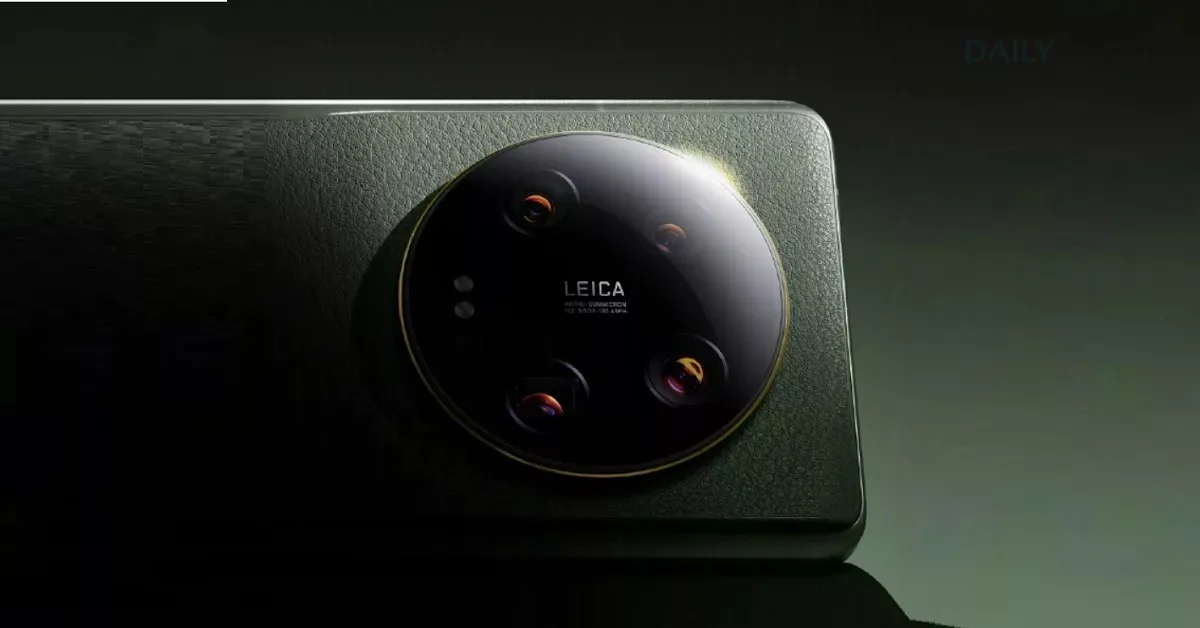
Xiaomi 13 Ultra: Xiaomi continues its partnership with the German camera brand Leica and is all set to launch a new flagship – Xiaomi 13 Ultra with a Leica lens on April 18. Just like the recently launched Xiaomi 13 Pro, the 13 Ultra is said to feature a 1-inch 50 MP Sony IMX989 primary sensor along with three additional 50 MP camera sensors, making it the first smartphone with four dedicated 50 MP cameras.
As per the reports, the phone will have a primary 1-inch 50 MP Sony IMX 989 sensor, a 50 MP Sony IMX 858 ultra-wide-angle lens, a 50 MP Sony IMX 858 telephoto lens, and a 50 MP Sony IMX 858 periscope zoom lens. The smartphone is said to have a 32MP selfie camera and is likely to support up to 4K video recording while the primary camera is expected to offer up to 8K resolution video recording at up to 30fps.
Leaks suggest that the Xiaomi 13 Ultra is said to be powered by the Snapdragon 8 Gen 2 SoC. Like every other flagship Android phone with this chip, the device will also offer LPDDR5x RAM and UFS 4.0-based storage. Given this will be a flagship offering, we expect the phone to include at least 12 GB of RAM and 256 GB of internal storage.
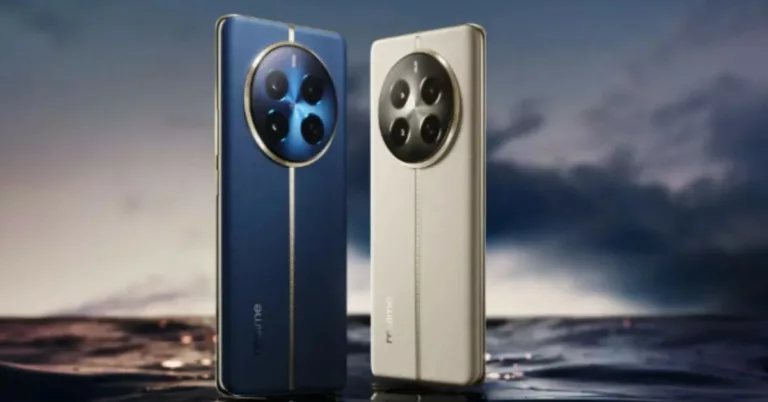
Official renders suggest that the Xiaomi 13 Ultra might have some sort of vegan leather back panel, which is likely to make the phone smudge-proof and is also expected to add grip to the device. Renders also confirm that the phone will have a metal band, stereo speaker setup, maybe with Dolby Atmos support, and a USB Type-C port.
The Xiaomi 13 Ultra is said to include a 6.74-inch 2K AMOLED screen with up to a 120Hz refresh rate and LTPO varied refresh rate technology. The phone is likely to run Android 13-based MIUI 14, and the device is likely to have a custom camera app with Leica tuning. A 4,900 mAh battery is said to power the device and is likely to support fast wired and wireless charging capabilities with other prominent features like Wi-Fi 7, Bluetooth 5.3. On top of that, the device might even carry an IP68 rating for water and dust resistance.
Given the Xiaomi 12S Ultra was a China-exclusive device, the Xiaomi 13 Ultra could also be limited to China. Considering the features and specifications, the Xiaomi 13 Ultra could easily be the most expensive phone from the brand.